Every year, around 136,000 people in Germany suffer sudden cardiac arrest outside of hospital. Although some of those affected survive thanks to rapid resuscitation and modern acute medicine, the physical and psychological consequences are often considerable. However, there is currently a lack of standardised structures nationwide for comprehensive aftercare and systematic investigation of genetic causes.
The CAROL (Cardiac Arrest – Return to Optimal Life) project aims to close this gap in care and establish new standards in cardiogenetic care as part of a holistic aftercare concept. The Innovation Committee of the Joint Federal Committee (G-BA) has selected CAROL for funding; a total of 5.9 million euros in funding is planned.
"CAROL is a milestone in post-cardiac arrest care because it combines state-of-the-art genetic diagnostics with a holistic approach to care," emphasises Prof. Dr. Jürgen Graf, Medical Director and Chairman of the Board of Frankfurt University Hospital. "CAROL also strengthens prevention and thus makes an important contribution to our healthcare system. With the highly qualified teams at the Centre for Sudden Cardiac Death and Cardiogenetics and the University Heart and Vascular Centre Frankfurt, Frankfurt University Hospital offers the ideal setting to provide long-term support to patients and to inform and protect families about genetic risks at an early stage. The funding from the G-BA is particularly valuable to us, as it enables us to implement this innovative project at the highest scientific and clinical level."
Strong consortium combines expertise
CAROL is designed as an interdisciplinary, nationwide joint project that brings together various key components of post-cardiac arrest care. The consortium is led by the Institute for Rescue and Emergency Medicine (IRuN) at the University Medical Centre Schleswig-Holstein (UKSH) under the direction of Prof. Dr. Jan-Thorsten Gräsner. Other key partners include the Department of Psychocardiology at Kerckhoff-Klinik GmbH, headed by Prof. Dr. Bettina Hamann, the statutory health insurance companies Techniker Krankenkasse and BARMER, the Centre for Sudden Cardiac Death and Cardiogenetics at Frankfurt University Hospital, and LiKe Healthcare Research GmbH.
Interdisciplinary approach
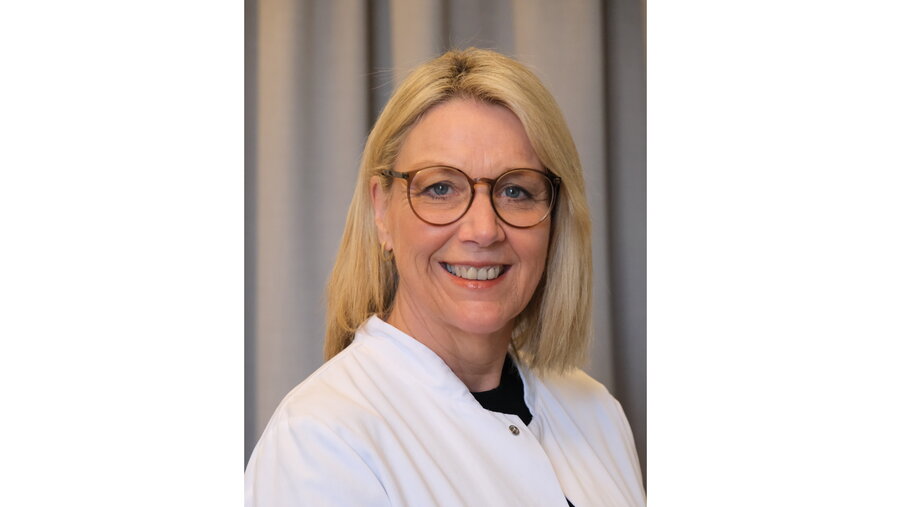
CAROL pursues a comprehensive approach that systematically combines medical, nursing, psychosocial and genetic aspects of aftercare. The Frankfurt site plays a key role in the early genetic investigation of the causes of cardiac arrest. Diagnostics are coordinated and carried out by the Centre for Sudden Cardiac Death and Cardiogenetics at Frankfurt University Hospital. Under the expert guidance of Prof. Dr. Silke Kauferstein, the focus is particularly on patients under the age of 50, who are more likely to have a hereditary cause of cardiac arrest.
Genetic diagnostics as a key innovation
"‘Genetic diagnostics is a crucial innovation within CAROL," explains Prof. Dr. Silke Kauferstein. "The investigation begins during the inpatient stay after cardiac arrest – not months or years later. This allows genetic risks to be identified at an early stage, therapeutic consequences to be examined and relatives to be advised in a timely manner." This early approach not only enables more individualised therapy for those affected, but also lays the foundation for effective prevention within families.
Molecular autopsy opens up new possibilities for prevention
Another approach that is unique in Germany is the systematic genetic testing of patients who have died following cardiac arrest. This so-called molecular autopsy makes it possible for the first time to identify genetic causes and to specifically inform family members of the deceased about potential hereditary risks. The project thus makes an important contribution to preventing further life-threatening events in affected families and strengthens the preventive focus of cardiological care.
The project is scheduled to start at the end of 2026.
Source: Press release Frankfurt University Hospital


